



Anyone who does gymnastics regularly knows these moments. The technique is perfect, the tension is just right – but suddenly your hand slips ever so slightly on the bar. The tape comes loose sooner than expected. Your skin is burning after the third repetition. These aren't spectacular problems, but it's precisely these details that determine quality, safety, and progress in gymnastics.
From the outside, gymnastics often appears elegant and controlled. Movements seem effortless, almost weightless. But behind this aesthetic lies endless repetition, systematic training, and years of meticulous work. Artistic gymnastics in Germany means not only competitions, but above all, daily training sessions under constant pressure on muscles, joints, tendons, and skin.
Gymnasts invest countless hours in refining their technique. Elements are broken down, landings analyzed, and support elements corrected. Every minimal uncertainty becomes apparent. This is precisely why seemingly small factors play an enormous role. Those who want to maintain their high performance in the long term must not only train their technique but also manage their workload.
Gymnastics in Germany involves high training volumes, precise technical work, and constant mechanical stress. This generates forces on the hands, joints, and skin that are barely noticeable to outsiders. This is precisely where the importance of reliable training equipment becomes apparent.
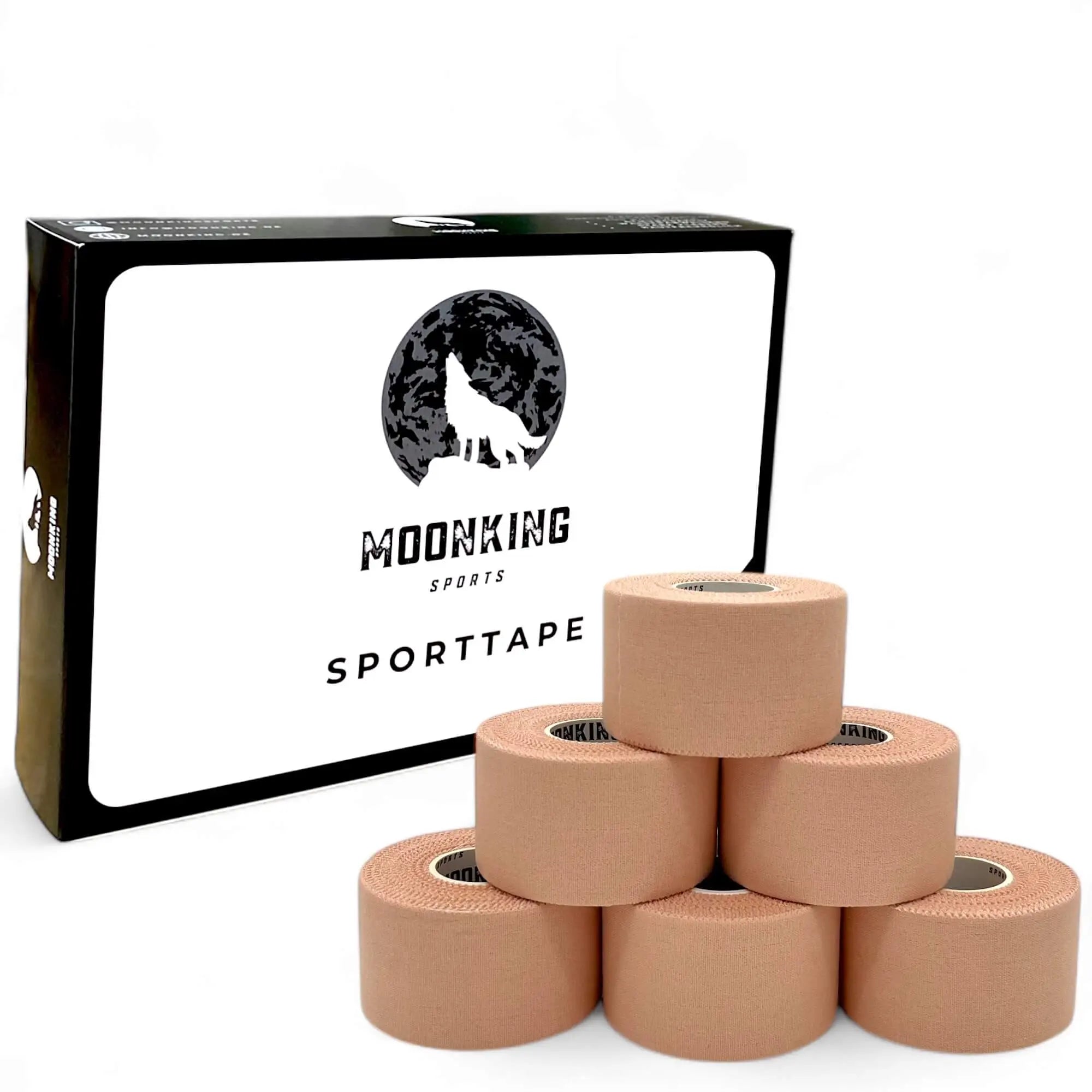
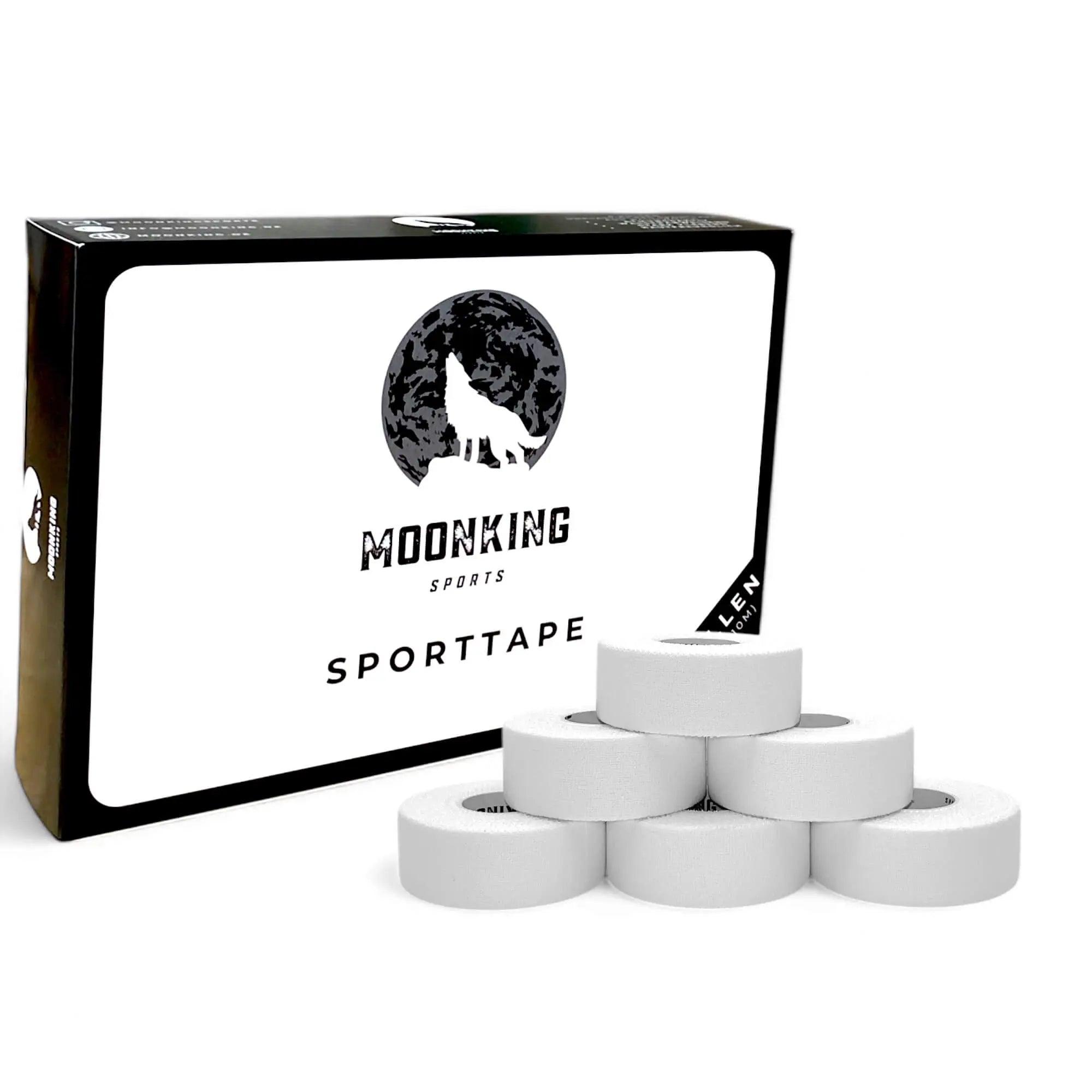
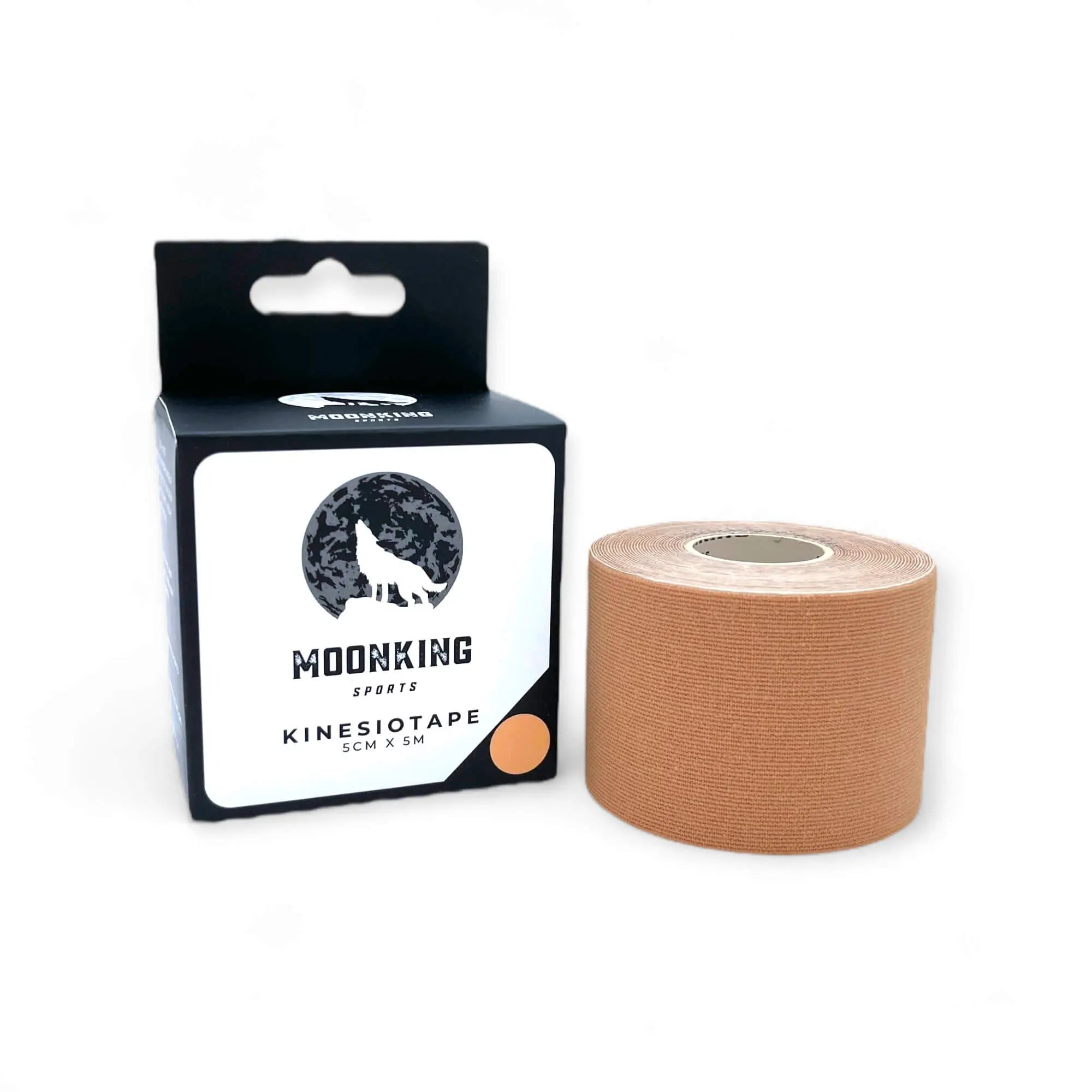
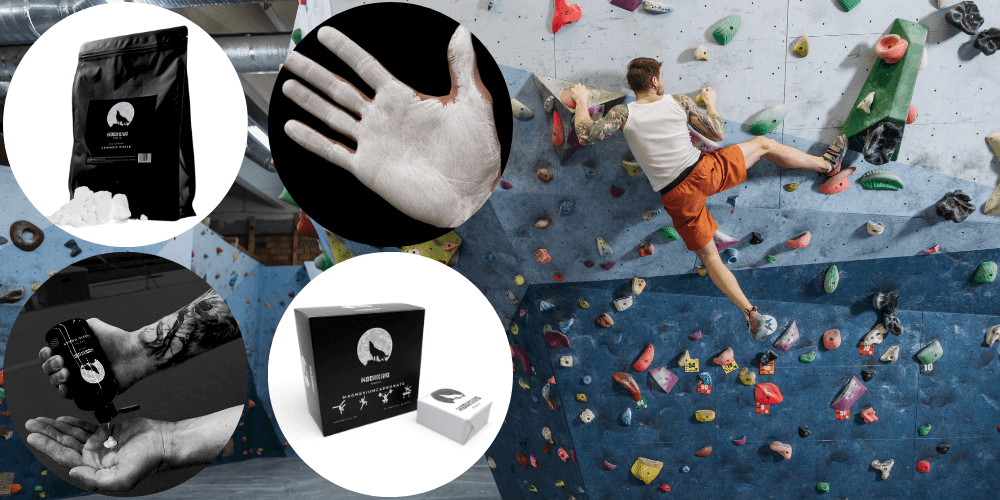
If you want to focus on exactly these points , here are the basics that many gymnasts use in their daily training: chalk for constant grip on the apparatus (whether in the gym or at home during home workouts), sports tape for reliable stability, and underwrap as a protective layer when a lot of taping is done or the skin has already been heavily stressed.
Gymnastics is not a trendy sport – it is repetition under stress.
In artistic gymnastics, enormous forces act on the fingers, wrists, and forearms. On the horizontal bar, swings and giant swings generate tremendous centrifugal forces. Every grip phase involves maximum tension. A minimal loss of control immediately alters the entire movement sequence.
On the uneven bars and horizontal bar, a stable grip is crucial for controlling the swing. On the floor exercise, any instability affects takeoffs and landings, while on the pommel horse it often results in a direct fall. It is precisely there that the uncompromising nature of gymnastics becomes apparent: there is no "almost held" option.
But strain isn't just caused by individual elements, but by volume. 20 repetitions become 50, 50 become 100. Weeks turn into months. This is precisely where small weaknesses in the setup accumulate.
Even on a trampoline, stress peaks occur – especially with high repetitions. Jumps must be precisely controlled. Body tension is not optional, but essential. Every landing impacts joints and muscles multiple times. Incorrect stabilization can cause problems in the long run.
In acrobatics, hands are often the direct connection between partners. Trust develops where the grip is reliable. If the grip quality varies, it affects not only technique but also safety.
Gymnastics in Germany is therefore more than just technical training. It's constant work under mechanical stress. And that's precisely why stability, skin protection, and grip play a bigger role than many people realize.
Grip is not a detail – it is fundamental.
For many artistic gymnasts, chalk is a fixed part of their pre-routine ritual. But not all chalk is created equal. The key isn't the quantity, but its consistency. An even application, consistent moisture absorption, and a clean grip directly influence the execution of the movement.
Too much chalk can distort the feel of the apparatus. Too little leads to insecurity. Inconsistent quality results in fluctuating scores. Consistency is crucial, especially in competitive gymnastics. The body reacts sensitively to even the slightest differences.
Grip doesn't just mean "not slipping." Grip means control during transitions, security during take-off, and confidence during the swing. Someone who feels they have to hold on to the apparatus performs differently than someone who feels secure.
A reliable grip builds trust. And trust enables clean technique. Especially in competitive sports, it is often these small, inconspicuous factors that measurably influence training quality.
Stability determines training continuity.
Wrists are constantly under stress in artistic gymnastics. Repeated support phases and dynamic transitions create loads that accumulate. Young gymnasts in particular often underestimate how much these micro-stresses can build up.
Additional stabilization can help support delicate structures – provided it works reliably and doesn't unnecessarily restrict movement. Tape must stabilize without altering technique. It must hold without being distracting.
Skin protection is also essential in everyday gymnastics. Friction quickly leads to open sores, which can force training breaks or painful training. Calluses are a part of gymnastics, but open sores hinder proper form.
Those who want to train consistently in the long term therefore think not only about technique, but also about prevention. Effective load management is not a sign of weakness, but of professionalism.
Mental factors: Why security unlocks performance
Gymnastics is heavily influenced by mental factors. Insecurity immediately translates into movement. An unstable feeling in the wrist alters the push-off and body tension. An insecure grip affects confidence during dynamic elements.
Clean training equipment therefore also has a psychological effect. When equipment functions reliably, a sense of calm prevails. This calmness allows for focus. Focus, in turn, enables progress.
Many performance improvements come not only from harder training, but also from uninterrupted training. Consistency is more important in gymnastics than peaks in intensity.
Why many training problems are self-inflicted
Many training interruptions aren't caused by a lack of motivation or poor technique, but by inadequate equipment. Tape that doesn't stick. Chalk that doesn't adhere evenly. Protective layers that slip. These factors disrupt focus.
What sounds harmless becomes a real obstacle in everyday training. Every interruption breaks concentration. Every change of equipment disrupts the rhythm.
Well-designed training equipment reduces precisely these sources of distraction. It ensures that athletes can concentrate on repetition, technique, and progress. In gymnastics, it's not about one perfect day – it's about consistency over months and years.
Gymnastics in Germany: High standards require quality
The gymnastics scene in Germany is performance-oriented. Clubs operate in a structured manner, young talent is nurtured from an early age, and training standards are high. Anyone who wants to succeed in this environment long-term needs more than talent. They need an environment that can withstand the pressure.
MoonKing Sports develops products precisely for this purpose. Not as accessories, but as functional support in everyday training. Sports tape with reliable hold. Underwrap as an effective protective layer. Magnesia for consistent grip without unnecessary compromises.
The focus is not on marketing promises, but on durability. Products must simplify training – not complicate it.
Performance is created in the details
In German gymnastics, everyone knows that progress is no accident. It comes from repetition, precision, and consistent work. Anyone who trains on the apparatus daily quickly realizes how small factors can make all the difference.
A stable wrist. Protected skin. Consistent grip. Fewer interruptions. More focus. This is where sustainable development begins. And this is where professional training equipment comes in. Anyone who takes gymnastics seriously takes these details seriously, too.