



Hand tears are a part of everyday life for many gymnasts on the high bar, uneven bars, and rings. While they cannot be avoided entirely, they happen less frequently and heal faster with well-maintained calluses, controlled use of chalk, and proper first aid. Here you will find out how tears occur, what you should do immediately, and how you can continue training without repeatedly reopening the wound.
What is a hand tear?
“Tear” is the gymnastics term for skin that separates from the palm or thumb due to friction on the bar. Often, a blister forms first and then bursts. Sometimes only the top layer of callus is affected, while at other times the skin tears deeper and bleeds.
Typical causes include:
- Friction: Constant swings and grip changes place stress on the same areas.
- Calluses that are too thick or rough: Bulky areas get snagged on the bar and tear more easily.
- Improper moisture: Skin that is too dry becomes cracked, while sweaty skin increases friction.
- Too much at once: Long bar sessions, especially after a training break when the skin is no longer used to the strain.
Preventing tears: 5 things that really help
1. Maintain calluses instead of removing them
Calluses protect your hands. They only become a problem when they get too thick and uneven. Therefore, smooth them out regularly, for example after showering with a pumice stone, instead of sanding them down completely. Picking at calluses weakens the healthy skin underneath and should be avoided.
2. Apply hand cream after training
Wash the chalk and sweat off your hands after every training session and apply cream. Elastic skin tears less easily than dry, brittle skin. Many gymnasts also apply cream in the evening before going to bed.
3. Use chalk sparingly
Magnesia binds moisture and ensures a secure grip. However, too much of it can dry out the skin. Use only as much as you need for your grip, no more. A mix of powder and coarser chunks, like our Crunchy Chalk, is easy to dose and distribute evenly. You can find more on its use in our article Magnesia in Gymnastics.4. Listen to warning signs
A hot, red area or a starting blister is the first sign. If you feel this, take a short break or switch to a different apparatus for the rest of the session. A few less swings today will often save you several days with an open hand.
5. Protect high-stress areas
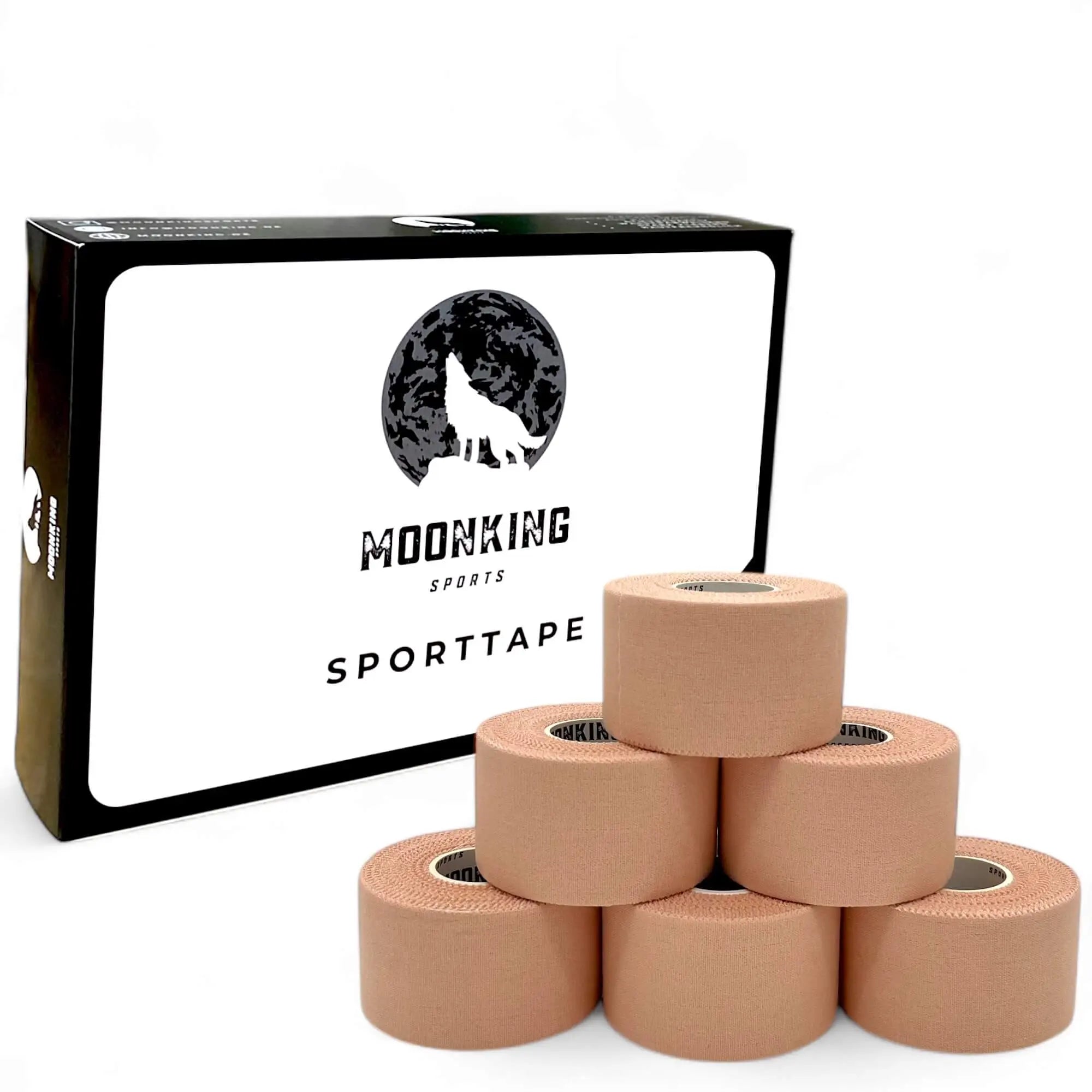
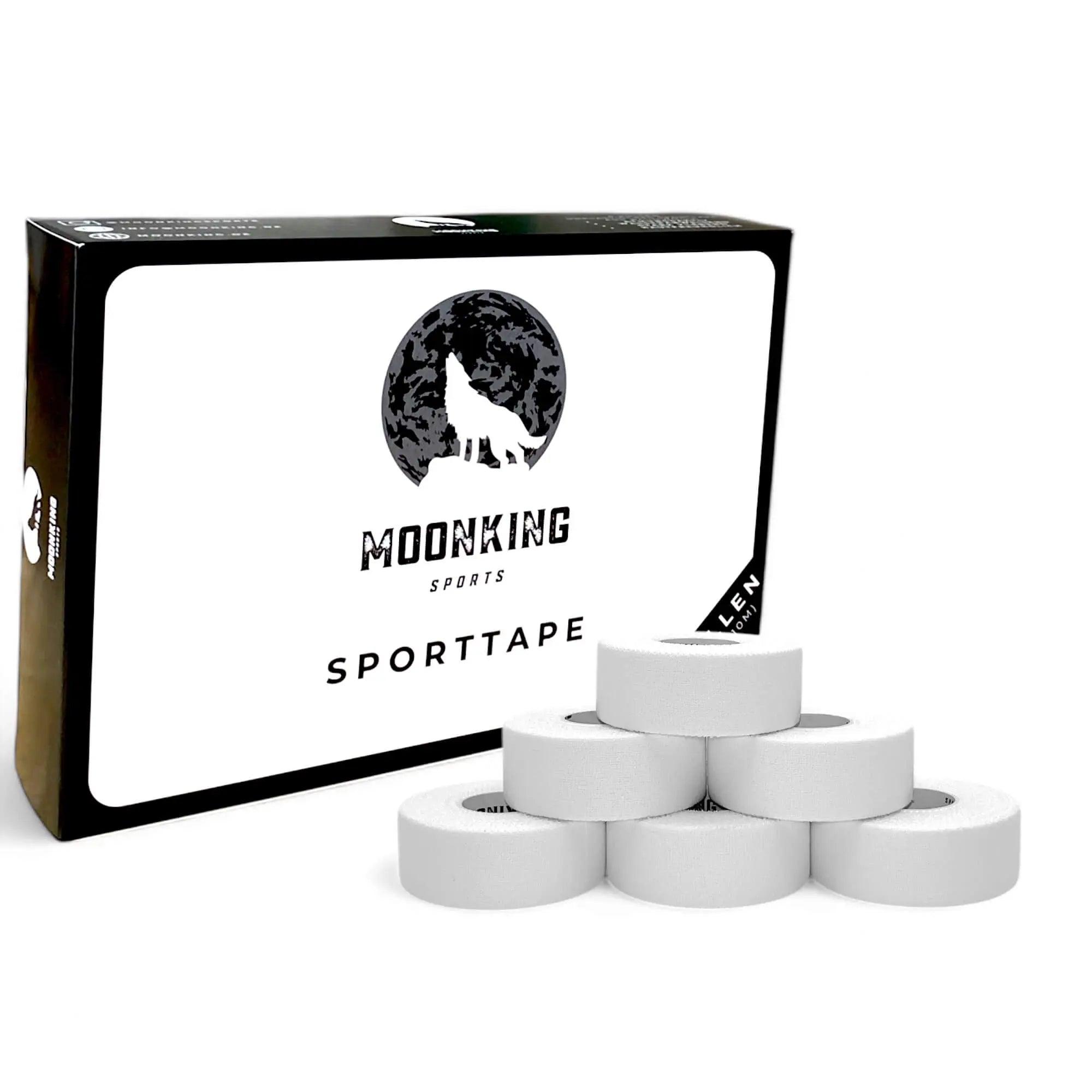
Gymnastics grips reduce direct friction on the bar. To ensure they fit snugly, many gymnasts use cohesive bandage underneath them. Our Cohesive Bandage is designed exactly for this purpose: as a disposable base layer under grips on the high bar, rings, and uneven bars. For individual fingers or small areas, narrow tape like our Fingertape (2.5 cm) is suitable, which is also intended to protect highly stressed skin areas.
If a tear happens: How to treat it properly
- Stop training on that apparatus. Continuing to train usually makes the wound larger.
- Wash off chalk and dirt. Use clear water and mild soap. Yes, it will sting for a moment.
- Do not tear off loose skin. Pulling often tears the skin deeper into healthy tissue. Carefully trim hanging, loose skin edges with clean, disinfected scissors.
- Disinfect. Use a wound antiseptic from the pharmacy.
- Cover it. Use a blister plaster (hydrocolloid) or a sterile dressing. A moist wound environment supports healing.
- Keep it moist, do not let it dry out. If the new skin dries out, it cracks easily. Many gymnasts apply a wound-healing ointment in the evening and put a thin sock or glove over their hand overnight.
Important: If a blister is still closed, leave it alone if possible. The intact blister skin is the best protection against infection.
What you should avoid putting on an open wound
Alcohol-based products irritate open skin. This also applies to liquid chalk: Our Liquid Chalk contains alcohol and therefore stings in open cracks. As long as the tear has not healed, it is better to use powder chalk on the intact skin of that hand and keep the wound covered.
Can you keep training with a tear?
With a fresh tear, taking one or two days off from the bars, high bar, or rings is the fastest way back. Floor exercise, vault, or strength training without grip pressure are often still possible. Discuss this with your coach.
If a competition is coming up and you have to get on the bar, protect the area as follows:
- Clean the wound and cover it with a thin dressing or a blister plaster.
- Secure the dressing with sports tape, but do not apply tape directly to the open wound.
- Apply the cohesive bandage and grips over the top as usual.
For sensitive skin, an underwrap can be useful as a layer between the skin and the tape. It is latex-free and hypoallergenic. We show you how to tape fingers cleanly in our Finger Taping Guide.
Our tip from the gym
If several tears occur at once, we do a "hand cure" overnight: apply a thick layer of deer tallow cream or a similarly rich cream to the hands and put on thin cotton gloves. This keeps the cream on your hands instead of the bedding, and the skin is supple again by the next morning. Our experience: this gets hands ready for training much faster.
Important: Do not put normal cream on fresh, open wounds; use a wound-healing ointment. The deer tallow cream goes on the intact skin surrounding it.
When should you see a doctor?
Most tears heal without problems. Have the area checked by a doctor if you notice signs of infection:
- increasing redness or swelling beyond the edge of the wound
- pus or yellowish-green fluid
- pain that gets worse instead of better
- red streaks radiating from the wound, or fever (then immediately)
Frequently asked questions about gymnastics tears
Should I tear off or cut off a hand tear?
Do not tear it off. Carefully trim loose, hanging skin edges with clean, disinfected scissors. Leave a closed blister intact if possible.
How long does it take for a tear to heal?
That depends on the depth. Wound guides suggest about 7 to 14 days for burst blisters to heal completely. The area is often ready for strain again sooner if it is covered and kept moist.
Do gymnastics grips help against tears?
Grips reduce direct friction on the bar and are therefore used in gymnastics to protect the hands. However, new grips need to be "broken in." Starting with them shortly before a competition is not a good idea.
Should I remove my calluses completely?
No. Calluses protect your hands. Keep them smooth and even so they don't get snagged on the bar.
Can I use liquid chalk with a tear?
Better not on the open spot. Liquid chalk contains alcohol and stings in wounds. Only use it again once the skin has closed.
Note: This article does not replace medical advice. For deep, heavily bleeding, or infected wounds, please contact a doctor.